
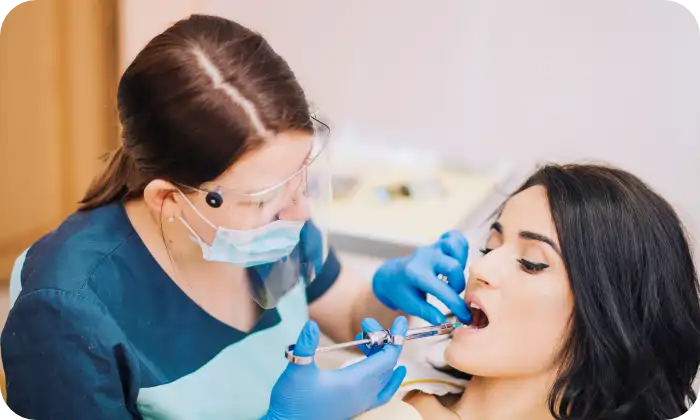
Tooth Extractions
Tooth extraction is done when a tooth is too damaged or infected to be saved. It may also be needed if a tooth is causing pain, crowding, or affecting nearby teeth. The procedure is fast and done under local anesthesia to keep you comfortable.
The dentist gently loosens and removes the tooth. Afterward, simple care helps the area heal quickly. Removing a painful or infected tooth prevents the spread of infection and protects your remaining teeth.
Extractions are also helpful before braces or dentures when space is needed. The goal is to relieve discomfort and improve overall oral health.
Wisdom Teeth Removal
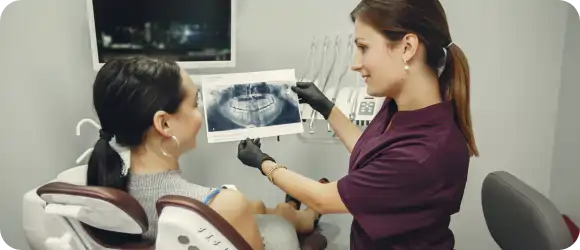
Wisdom teeth often get stuck or “impacted” because there isn’t enough space in the mouth. This can cause pain, swelling, infection, or damage to nearby teeth. Wisdom tooth removal helps prevent these problems. The procedure is done under local anesthesia, and sedation is available if needed. The dentist carefully removes the tooth to avoid discomfort and ensure safe healing.
Removing problematic wisdom teeth prevents future issues like infections, cysts, and crowding. Early removal, especially in young adults, leads to easier recovery and fewer complications.
Dental Implant Placement
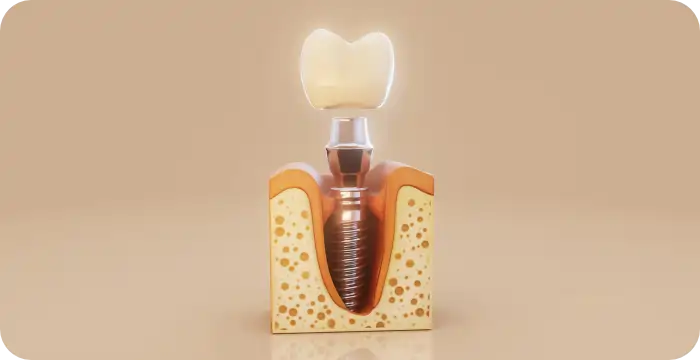
Dental implants are a long-lasting solution for missing teeth. An implant is a small titanium post placed in the jawbone, where it acts like a natural tooth root. After healing, a crown is attached, giving you a strong, natural-looking replacement tooth.
Implants help you chew comfortably, speak clearly, and smile confidently. They also prevent bone loss in the jaw, which happens when missing teeth are not replaced.
The procedure is safe and done with local anesthesia. With proper care, implants can last many years, making them one of the best options for tooth replacement
Full Mouth Rehabilitation
Full mouth rehabilitation is a customized treatment plan for people with multiple dental problems. It combines several procedures—such as crowns, implants, bridges, and restorations—to rebuild the entire mouth.
This approach helps restore chewing, improve speech, reduce pain, and enhance the smile. It is recommended for people with worn teeth, missing teeth, long-term decay, or bite issues. The process is planned step-by-step using detailed exams and digital scans. The goal is a healthy, functional, and confident smile that lasts for years. Full mouth rehabilitation helps you eat better, speak better, and enjoy improved oral health.